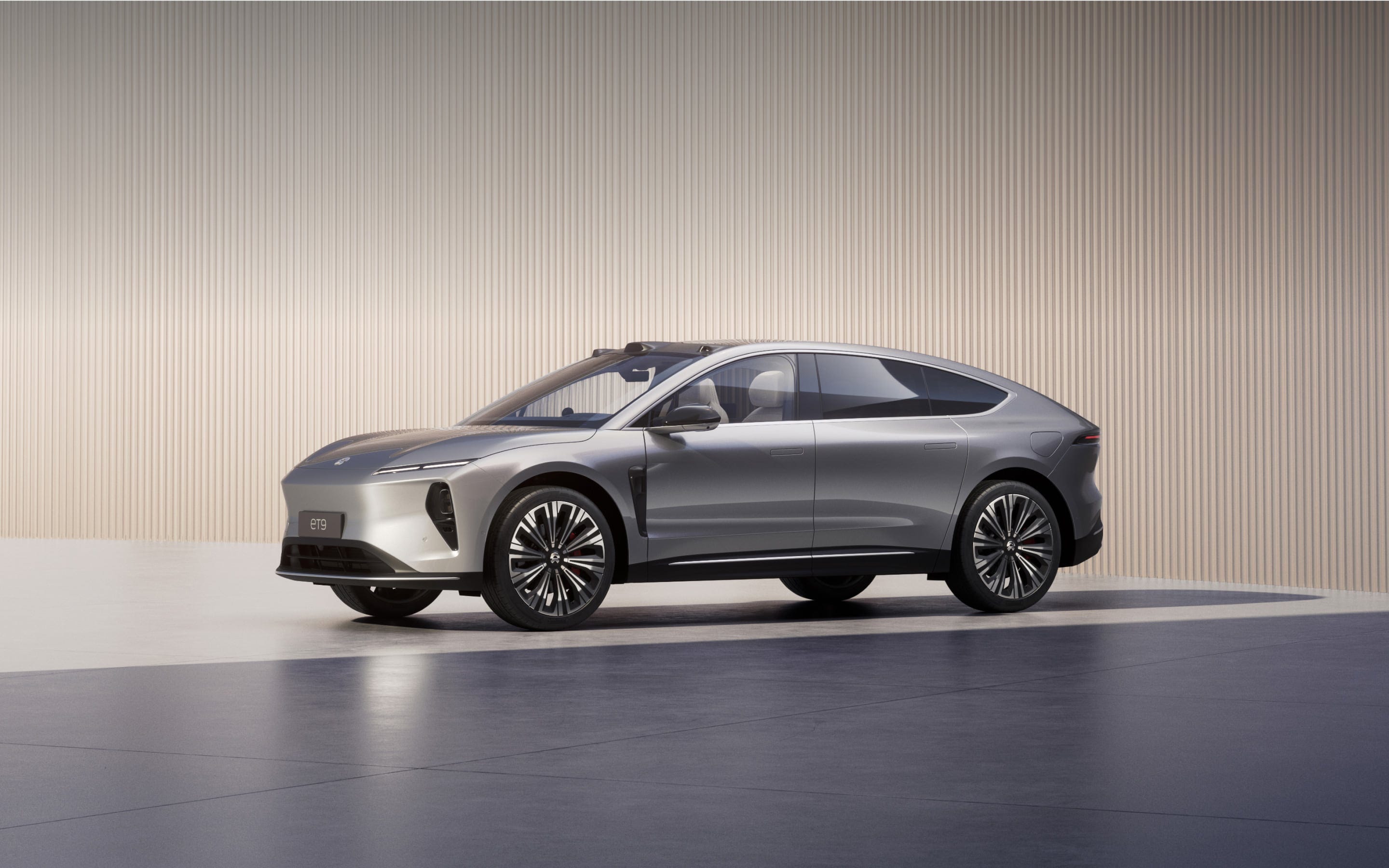
Pull into the station. Park. Stay in your seat. Three minutes later you drive off with a full battery. This is NIO's battery swap — the boldest and most expensive bet any EV maker has placed on charging infrastructure, and after years of scepticism, the industry is quietly coming around to it.
The scale of the bet
NIO has built more than 3,000 Power Swap stations, the overwhelming majority across China's cities and highway network, with around 60 more operating in Europe from Norway to the Netherlands. Each station is a small robotic warehouse holding a dozen or more batteries, buffering them, checking their health, and slotting them into cars hundreds of times a day. Stations cost hundreds of thousands of dollars each; NIO has said one needs on the order of 60 swaps a day to break even. For a company that has yet to post a full-year profit, that capital burden is the core of the controversy.
Why do it at all
The answer is that swap changes what a battery is. With NIO's Battery-as-a-Service, buyers can purchase the car without the battery — cutting the sticker price by roughly 70,000 yuan — and rent the pack on a monthly subscription instead. The battery becomes an upgradeable, serviceable asset: subscribe to a bigger pack for a road-trip month, drop back down after. Degradation stops being the buyer's problem, which transforms resale values, and the packs themselves are monitored, balanced and maintained centrally in ways a home-charged battery never is. In winter, a swapped battery arrives pre-warmed; on a holiday highway, a three-minute swap sidesteps the charger queue entirely.
From lonely bet to open standard
For a decade NIO carried this idea alone. Then, within months, it stopped being alone: Changan and Geely signed battery-swap partnerships in late 2023, followed by JAC, Chery and Lotus. CATL — the world's largest battery maker, which also runs its own EVOGO swap venture — invested 2.5 billion yuan into NIO's Power unit in 2025 and threw its weight behind a shared swap standard. NIO's mass-market sub-brand Onvo launched with swap capability from day one, and its small-car brand Firefly extends the network logic down another segment. What looked like one company's obsession is consolidating into something closer to an industry utility.
The case against
Honesty requires the other side. Ultra-fast charging keeps improving: the latest 800V Chinese EVs add hundreds of kilometres in ten minutes, narrowing the convenience gap swap was built to close. Standardising packs across brands constrains vehicle design. And the accounting question never disappears — thousands of stations full of expensive batteries are a heavy asset in a price-war market. If 5C charging becomes universal, swap could end up a niche.
Why it still matters to watch
Even the sceptics concede the second-order effects. A swap network is also a distributed energy-storage grid — NIO's stations can trade electricity, buffering the grid at night and selling back at peaks. It is a battery-health database of unmatched depth. And for fleets — taxis, ride-hailing, logistics — minutes matter more than anything, which is why swap-first models keep winning commercial deals. For overseas dealers, the practical takeaway is narrower but real: NIO-family vehicles are engineered around a service ecosystem, and their value proposition is strongest where that ecosystem exists or is coming. Watch where the stations go; the cars will follow.
驶入站内,停好车,人不用下车。三分钟后,你带着满电的电池开走。这就是蔚来换电——电动车企在补能基础设施上下过的最大胆、最烧钱的赌注。在经历多年的质疑之后,整个行业正在悄悄转向它。
赌注有多大
蔚来已建成超过 3,000 座换电站,绝大多数分布在中国的城市与高速公路网,另有约 60 座在欧洲运营,从挪威到荷兰。每座换电站都是一个小型机器人仓库:存放十余块电池,为它们缓冲调度、检测健康状态,每天为车辆完成数百次换电。单站造价数十万美元;蔚来曾表示日均约 60 单才能盈亏平衡。对一家尚未实现全年盈利的公司,这笔资本开支正是争议的核心。
为什么非做不可
答案在于:换电改变了电池的属性。通过 BaaS 电池租用方案,用户可以不含电池购车——车价直降约 7 万元——再按月订阅电池。电池变成可升级、可维护的资产:长途出行的月份订阅大电池,平时换回标准包。电池衰减不再是车主的问题,二手车残值逻辑随之改写;而集中管理的电池包能够被持续监测、均衡与养护,这是家充电池永远做不到的。冬天,换上的电池是预热好的;节假日的高速上,三分钟换电直接绕开了充电桩排队。
从孤注一掷到开放标准
十年里,蔚来独自扛着这个理念。然后在短短几个月内,它不再孤单:2023 年底长安、吉利先后签署换电合作,江淮、奇瑞、路特斯跟进。全球最大电池制造商宁德时代——自己也运营 EVOGO 换电业务——在 2025 年向蔚来能源注资 25 亿元,力推统一换电标准。蔚来的大众市场子品牌乐道从第一天起就支持换电,小车品牌萤火虫又把这套网络逻辑延伸到更低一级市场。曾经像是一家公司的执念,正在整合成接近行业公共设施的存在。
反方观点
诚实的分析需要呈现另一面。超快充在持续进步:最新的 800V 中国电动车十分钟即可补充数百公里续航,换电赖以立足的便利性差距正在收窄。跨品牌统一电池包会约束整车设计。而财务问题始终存在——数千座装满昂贵电池的场站,在价格战市场里是沉重的资产。如果 5C 快充全面普及,换电有可能沦为小众。
为什么仍然值得关注
连怀疑者也承认它的二阶效应。换电网络同时是一张分布式储能网——蔚来的场站可以参与电力交易,夜间为电网蓄能、高峰时段回售。它还是一个深度无可匹敌的电池健康数据库。而对出租车、网约车、物流等车队而言,时间就是一切,这正是换电车型不断赢下商用订单的原因。对海外经销商,实际的启示更聚焦:蔚来系车型是围绕服务生态设计的,它们的价值主张在生态所及之处最强。盯住换电站落在哪里——车会跟着到来。